Advocacy
I first began to understand the importance of advocacy during my course on multicultural considerations. In this course, I was introduced to several advocacy models and explored scenarios in which attending to systemic and social factors could promote client well-being in ways that traditional counseling alone may not fully address. These discussions helped me recognize that advocacy can occur at multiple levels, such as individual, community, and societal, and that engaging in advocacy is an ethical responsibility within the counseling profession. Since then, I have tried to approach my work with an advocacy-oriented mindset, thoughtfully considering how my voice, actions, and participation within my community may influence social justice issues that impact both current and future clients.
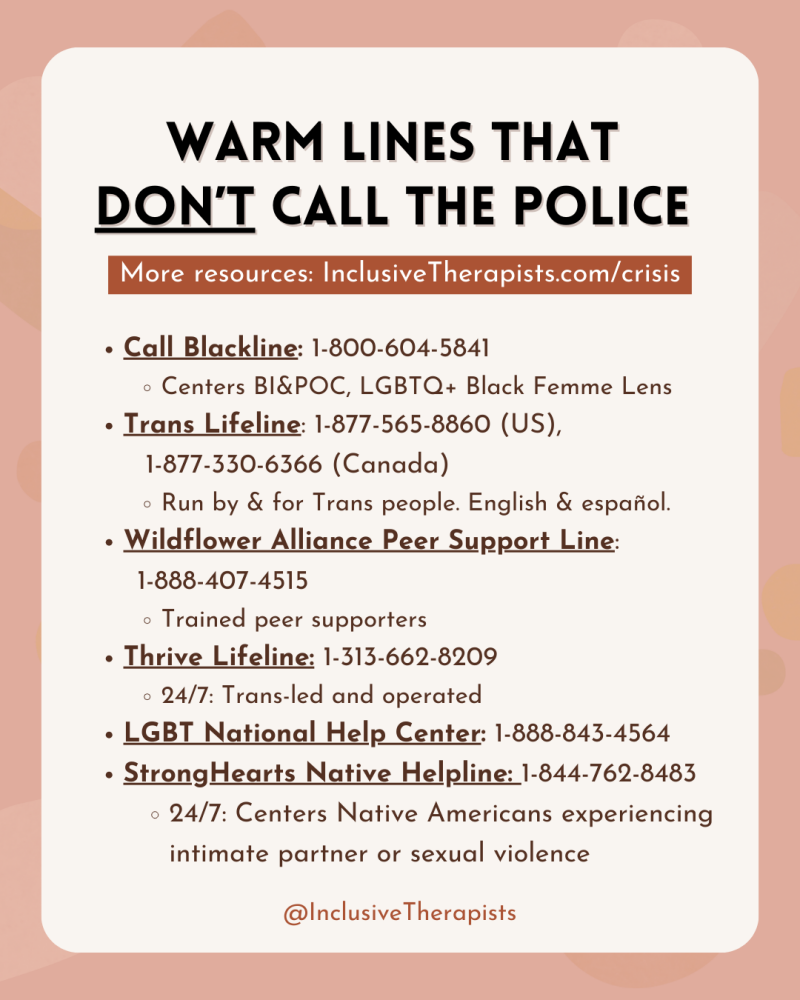
At my internship site, I encountered numerous opportunities to engage in advocacy, particularly at the individual level. Within counseling sessions, I found that client empowerment and education are central components of effective advocacy. With many clients, I intentionally focused on increasing assertive communication skills and effective boundary-setting strategies, recognizing these as foundational tools for self-advocacy. I also spent time providing psychoeducation related to clients’ presenting concerns and explaining the rationale behind selected interventions. By increasing clients’ understanding of their symptoms and treatment, I observed how knowledge empowered them to feel more agency in their healing process. Additionally, I regularly connected clients with on-campus supports at OLLU and community-based resources, helping them access services that supported their academic, emotional, and financial well-being.
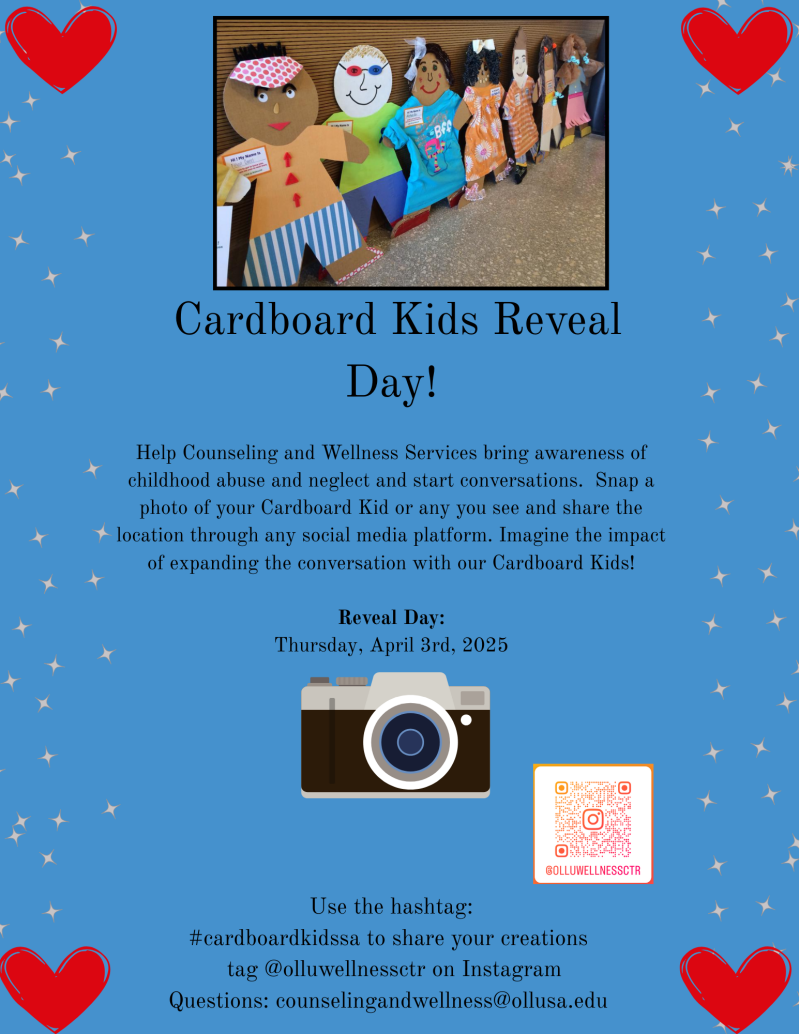
I also had opportunities to engage in advocacy at the community level. Through tabling events on campus, I worked to help destigmatize mental health treatment and educate students and staff about the role of counselors and the benefits of seeking support. I was grateful to participate in events focused on raising awareness around sexual assault prevention and child abuse, which allowed me to advocate both for individual clients and for broader community needs. Furthermore, I occasionally advocated on behalf of clients by collaborating with accessibility services or academic advisors when additional accommodations or support would benefit a client’s mental health and overall functioning. I made intentional efforts to create an inclusive and affirming counseling environment by displaying pride flags, reinforcing that advocacy can also be communicated through presence and environment.
Through these experiences, I have come to understand that advocacy often presents itself in everyday clinical and professional opportunities, rather than only through large-scale actions. It is the counselor’s responsibility to recognize and engage with these moments to foster holistic well-being for clients and communities alike. I have come to recognize how essential it is for counselors to remain committed to advocacy, continue raising awareness, and actively support clients as they navigate systems that may contribute to distress.